Introduction
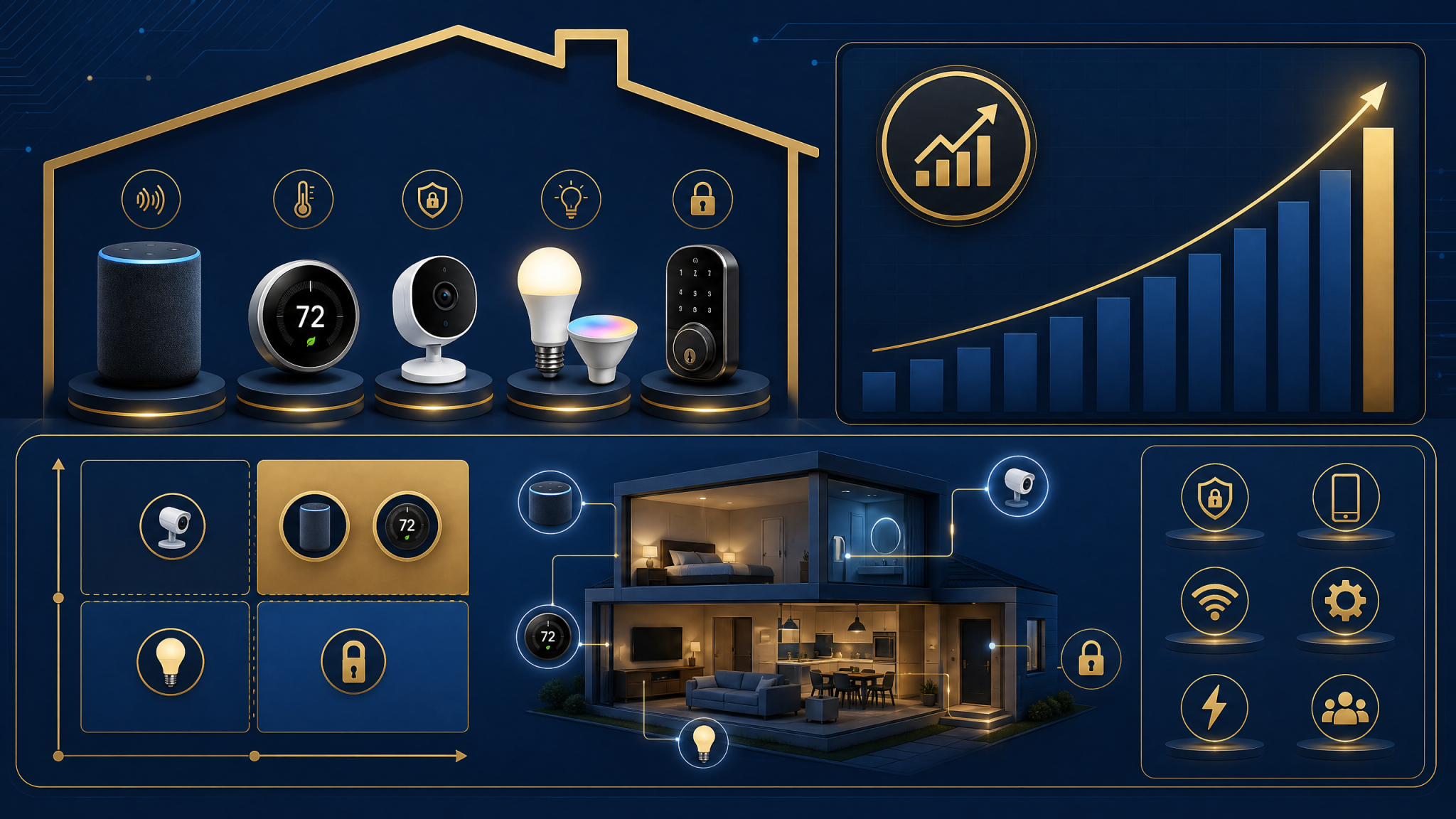
The smart home market is experiencing an unprecedented boom, with a staggering 26% annual growth rate in Europe alone. This rapid expansion presents a golden opportunity for savvy entrepreneurs looking to carve out a profitable niche on Amazon. For those with an eye on smart home products Amazon private label, the landscape is ripe for innovation and significant returns. This article delves into the intricacies of this burgeoning market, offering a comprehensive guide for identifying high-margin products, understanding the competitive landscape, and successfully launching a private label brand within the smart home sector on Amazon.
The Explosive Growth of the Smart Home Market
The concept of a ‘smart home’ has evolved from futuristic fantasy to everyday reality. Consumers are increasingly adopting devices that offer convenience, security, and energy efficiency, from intelligent lighting systems to voice-controlled assistants and advanced security cameras. This surge in demand is not a fleeting trend but a sustained shift in consumer behavior, driven by technological advancements and a desire for integrated living spaces. The European market, in particular, is a hotbed of activity, making it an attractive target for Amazon FBA sellers. The increasing affordability of smart home technology, coupled with the widespread availability of high-speed internet, has democratized access to these devices, further fueling market growth.
Identifying High-Margin Smart Home Products for Amazon FBA
Success in the smart home Amazon FBA niche hinges on meticulous product selection. Not all smart home products are created equal when it comes to profitability. The key is to identify items with high demand, low competition, and strong potential for branding and differentiation. This section will explore strategies for pinpointing these lucrative opportunities.
Market Research and Trend Analysis
Effective market research is the bedrock of any successful private label venture. Begin by analyzing current sales data, consumer reviews, and emerging trends on Amazon. Tools like Jungle Scout, Helium 10, and Viral Launch can provide invaluable insights into product demand, sales velocity, and competitor performance. Look for products with consistent sales, a healthy average selling price, and a manageable number of reviews, indicating a market that is active but not oversaturated.
Consider the broader technological trends. The increasing integration of Artificial Intelligence (AI) and Machine Learning (ML) into everyday devices, the growing emphasis on energy efficiency, and the demand for seamless interoperability between devices are all factors that will shape the next generation of smart home products. Identifying products that align with these trends can provide a significant competitive advantage. Furthermore, analyzing search volume trends for specific keywords can reveal emerging consumer interests before they become mainstream.
Product Categories with High Potential
- Smart Lighting: Beyond basic smart bulbs, consider specialized lighting solutions like smart LED strips, outdoor smart lighting, or smart light switches that offer advanced features and compatibility with popular ecosystems. The demand for customizable and energy-efficient lighting solutions continues to rise.
- Smart Security Devices: This includes smart doorbells, indoor/outdoor security cameras, smart locks, and alarm systems. Focus on features like high-definition video, two-way audio, cloud storage options, and easy installation. Security remains a top priority for homeowners, driving consistent demand in this category.
- Energy Management: Smart thermostats, smart plugs, and energy monitoring devices are increasingly popular as consumers seek to reduce their utility bills and environmental footprint. Products that offer detailed energy consumption reports and remote control capabilities are particularly attractive.
- Voice Assistants and Accessories: While the core voice assistant market is dominated by giants like Amazon and Google, there’s a strong demand for compatible accessories, mounts, and protective cases that enhance their functionality and aesthetics.
- IoT Products for Specific Niches: Think beyond the general smart home. Are there specific IoT products Amazon Europe 2026 trends that cater to niche markets, such as smart gardening, pet care, or elderly assistance? These specialized products often have less competition and higher perceived value. For instance, smart pet feeders or automated plant watering systems are gaining traction.
Launching Your Private Label Smart Home Brand on Amazon

Once you’ve identified a promising product, the next step is to develop and launch your private label brand. This involves sourcing, branding, listing optimization, and effective marketing.
Sourcing and Manufacturing
Finding a reliable manufacturer is crucial. Platforms like Alibaba and Global Sources are excellent starting points. When evaluating suppliers, prioritize those with experience in smart home electronics, certifications (e.g., CE, RoHS for Europe), and a willingness to customize products to your specifications. Request samples to assess product quality, functionality, and packaging before committing to a larger order. For more details, see our guide on oversize products Amazon FBA profitable.
Consider the supply chain logistics, especially for the European market. Understanding import duties, VAT regulations, and shipping costs will be vital for accurate pricing and profitability calculations. Building a strong relationship with your supplier can also lead to better pricing, faster production times, and priority access to new product innovations.
Branding and Product Differentiation
In a crowded market, a strong brand identity is paramount. Your brand should convey quality, innovation, and reliability. This includes developing a memorable brand name, logo, and consistent visual identity. For home automation products to sell Amazon, differentiation can come from superior product design, unique features, enhanced software capabilities, or exceptional customer support.
Think about the user experience. How can your product offer a more intuitive setup, a more robust app, or better integration with existing smart home ecosystems? These small details can significantly impact customer satisfaction and review scores. Providing clear, easy-to-follow instructions and responsive customer service can set your brand apart from competitors who offer generic, poorly supported products.
Amazon Listing Optimization
An optimized Amazon listing is essential for visibility and conversions. This involves crafting compelling product titles, bullet points, descriptions, and A+ content. Incorporate your focus keyword: smart home products Amazon private label and secondary keywords naturally throughout the listing to improve search rankings.
High-quality product images and videos are non-negotiable. Showcase your product from multiple angles, highlight key features, and demonstrate its use in a real-world setting. Customer reviews are also critical; implement strategies to encourage satisfied customers to leave feedback. Utilizing Amazon’s Vine program can be an effective way to generate initial reviews for new products. For more details, see our guide on outdoor camping products Amazon FBA differentiation.
Marketing and Promotion Strategies
Launching a private label product requires a robust marketing strategy. Utilize Amazon PPC (Pay-Per-Click) campaigns to drive initial traffic and sales. Experiment with different ad types and targeting options to find what works best for your product.
Beyond Amazon, consider external marketing channels. Social media marketing, influencer collaborations, and content marketing (like this article!) can help build brand awareness and drive traffic to your Amazon listing. Early promotions, such as discounted launches or bundle offers, can also help generate initial momentum and gather early reviews. Building an email list of interested customers can also provide a valuable channel for future product launches and promotions. For more details, see our guide on how to scale your Amazon FBA business to 7 figures.
Navigating the European Smart Home Market in 2026
The European smart home market presents unique opportunities and challenges. Understanding the regulatory landscape, cultural preferences, and competitive environment is key to success.
Regulatory Compliance and Certifications
Selling IoT products Amazon Europe 2026 requires adherence to specific regulations. Ensure your products comply with CE marking requirements, RoHS directives, and any other relevant European standards. Failure to comply can result in significant fines and product recalls. Partnering with manufacturers who are well-versed in these regulations is highly advisable. Additionally, data privacy regulations, such as the GDPR, must be strictly adhered to, especially for devices that collect user data. For more details, see our guide on Amazon pricing strategies and margin optimization.
Cultural Nuances and Consumer Preferences
Europe is a diverse continent with varying cultural preferences. Research specific country markets to understand local tastes, language requirements, and preferred smart home ecosystems. For example, some regions might prioritize energy efficiency, while others might focus more on security or entertainment. Tailoring your product offerings and marketing messages to these specific preferences can significantly improve your chances of success. According to Amazon Seller Central guidelines, these strategies are increasingly important.
Competitive Landscape and Market Entry Barriers
The European market, while growing, also has established players. Analyze your competitors’ strengths and weaknesses. Look for gaps in the market that your private label product can fill. Barriers to entry can include high initial investment, complex logistics, and intense competition, but with careful planning and differentiation, these can be overcome. Building a strong brand reputation and offering superior customer service can help you establish a foothold in this competitive landscape. For more details, see our guide on pet tech Amazon Europe profitable niche. According to McKinsey operations research, these strategies are increasingly important.
Advanced Strategies for Scaling Your Smart Home Brand
Once your initial product is successfully launched, the focus shifts to scaling your brand and maximizing profitability.
Expanding Your Product Line
A successful private label brand rarely relies on a single product. Expanding your product line allows you to cross-sell to existing customers and capture a larger share of the smart home market. Consider introducing complementary products that enhance the functionality of your existing offerings. For example, if you sell smart security cameras, you could introduce compatible solar panels or extended storage options. For more details, see our guide on profitable niches Amazon Europe 2026. For more details, see our guide on beauty tech Amazon Europe market opportunity.
Optimizing Supply Chain and Logistics
As your sales volume increases, optimizing your supply chain becomes critical. Negotiating better terms with your suppliers, exploring alternative shipping methods, and utilizing Amazon’s multi-channel fulfillment services can help reduce costs and improve delivery times. Implementing robust inventory management systems can also prevent stockouts and ensure you always have enough product to meet demand.
Building a Community and Fostering Brand Loyalty
Creating a community around your brand can foster long-term loyalty and drive repeat purchases. Engage with your customers on social media, create a dedicated forum or Facebook group, and offer exclusive discounts or early access to new products for loyal customers. Encouraging user-generated content, such as reviews and testimonials, can also help build trust and credibility for your brand. For more details, see our guide on ecommerce investment opportunities Europe 2026 high CAGR. For more details, see our guide on advanced fulfillment strategies for European sellers.
Conclusion
The smart home market on Amazon offers a compelling opportunity for private label entrepreneurs. With a projected 26% annual growth in Europe, the demand for innovative and reliable smart home products is set to continue its upward trajectory. By meticulously researching the market, selecting high-margin products, building a strong brand, and optimizing your Amazon presence, you can successfully launch and scale a profitable private label business. The journey requires diligence, strategic planning, and a keen understanding of both the product and the platform, but the rewards for those who navigate it successfully are substantial. Embrace the future of home automation and position your brand at the forefront of this exciting industry.