Introduction: Thriving Beyond PPC in the Amazon Arena of 2026
The landscape of e-commerce, particularly on Amazon, is in a constant state of flux. What worked yesterday might not yield the same results tomorrow, and this truth is profoundly evident in the realm of product launches. For private label brands, the traditional reliance on Amazon PPC (Pay-Per-Click) campaigns as the sole engine for a successful launch is, by 2026, largely an outdated and often insufficient strategy. The sheer volume of competition, coupled with Amazon’s evolving algorithms and increasing advertising costs, necessitates a more sophisticated and multi-faceted approach. This article delves into **proven methods for successful private label product launches on Amazon in 2026 beyond PPC**, offering a comprehensive guide for entrepreneurs aiming to establish a dominant presence.
In this new era, a robust **Amazon product launch strategy 2026** demands creativity, strategic external engagement, and a deep understanding of customer behavior. We will explore how to **launch private label Amazon without PPC** as the primary driver, focusing instead on sustainable growth through diversified traffic sources and community building. The goal is not just to rank, but to build a brand that resonates, drives repeat purchases, and withstands the competitive pressures of the marketplace.
The Evolving Amazon Landscape: Why 2026 Demands a New Approach
Amazon in 2026 is a vastly different beast than it was even a few years prior. The platform has matured, and with that maturity comes increased sophistication from both sellers and Amazon itself. Key shifts include:
- Hyper-Competition: More sellers than ever are vying for attention in every niche, making it harder for new products to stand out.
- Algorithm Refinements: Amazon’s A9/A10 algorithms are increasingly intelligent, prioritizing products with strong organic sales velocity, positive customer reviews, and sustained external interest.
- Rising PPC Costs: The cost per click (CPC) continues to climb, eroding profit margins and making it challenging for new products to compete solely on ad spend.
- Customer Sophistication: Buyers are savvier, often researching products off-Amazon before making a purchase decision, highlighting the importance of an integrated marketing approach.
These factors collectively underscore the imperative to move **beyond PPC** and embrace a holistic **Amazon product launch strategy 2026** that leverages a broader spectrum of marketing channels.
Why PPC Alone Falls Short for Private Label Launches in 2026
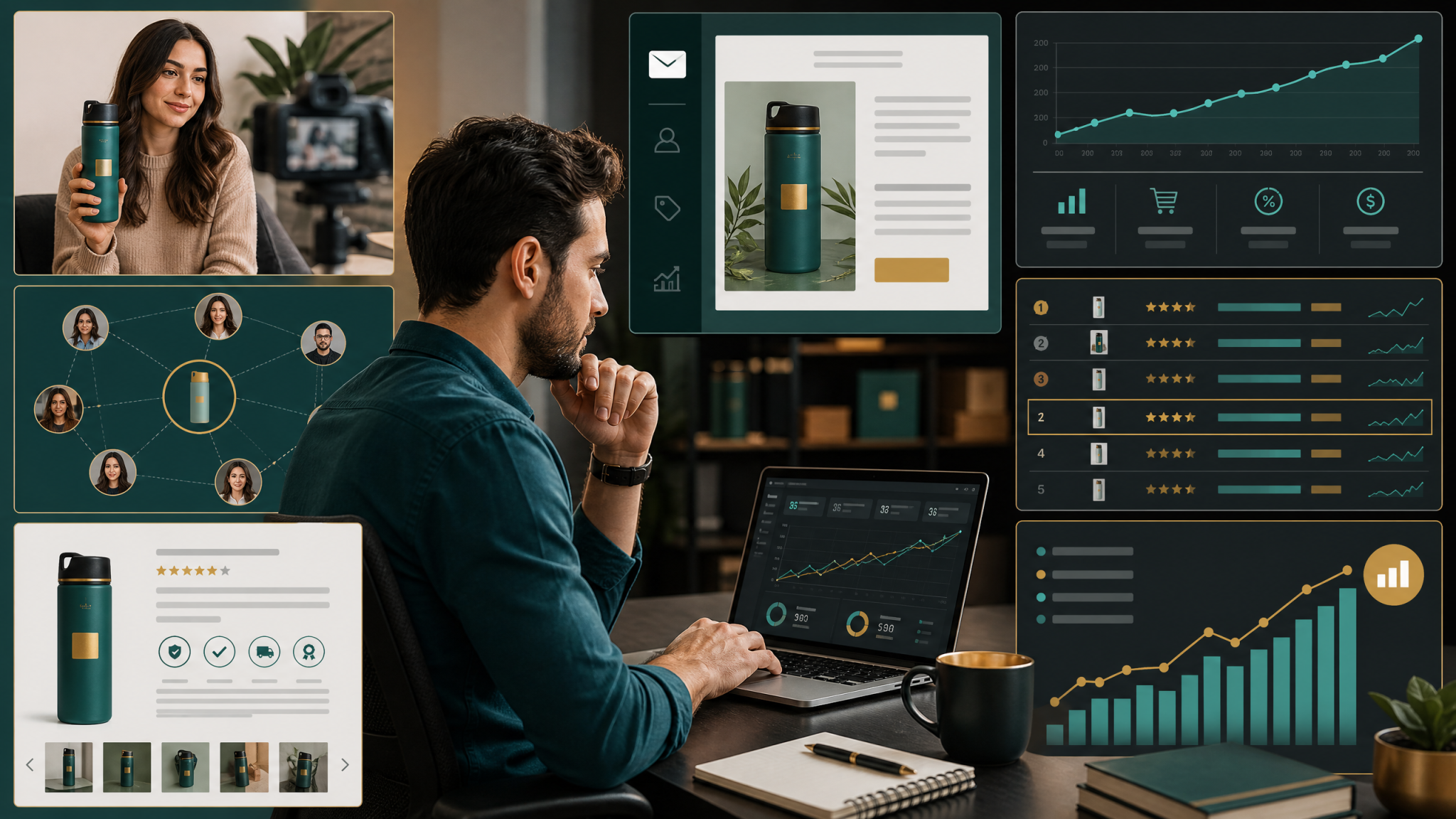
While PPC remains a valuable tool in an Amazon seller’s arsenal, its limitations as a standalone launch strategy are more pronounced than ever. Relying solely on PPC for a **private label product launch Amazon 2026 beyond PPC** can lead to:
- Unsustainable Costs: High CPCs can quickly deplete launch budgets, especially for products in competitive categories, making it difficult to achieve profitability.
- Dependence on Paid Traffic: As soon as ad campaigns are paused or scaled back, sales velocity often plummets, hindering organic ranking potential.
- Lack of Brand Building: PPC primarily drives transactional sales. It does little to build brand recognition, customer loyalty, or a community around your product.
- Vulnerability to Competitor Bidding: Competitors can easily outbid you, driving up your costs and pushing your ads down the page.
To truly succeed, private label brands must diversify their efforts, focusing on strategies that build long-term value and reduce reliance on paid advertising. For more details, see our guide on advanced Amazon seller growth brand protection strategies. For more details, see our guide on Amazon Brand Registry eliminate counterfeits brand defense.
Pillars of a Modern Amazon Product Launch Strategy: Beyond PPC
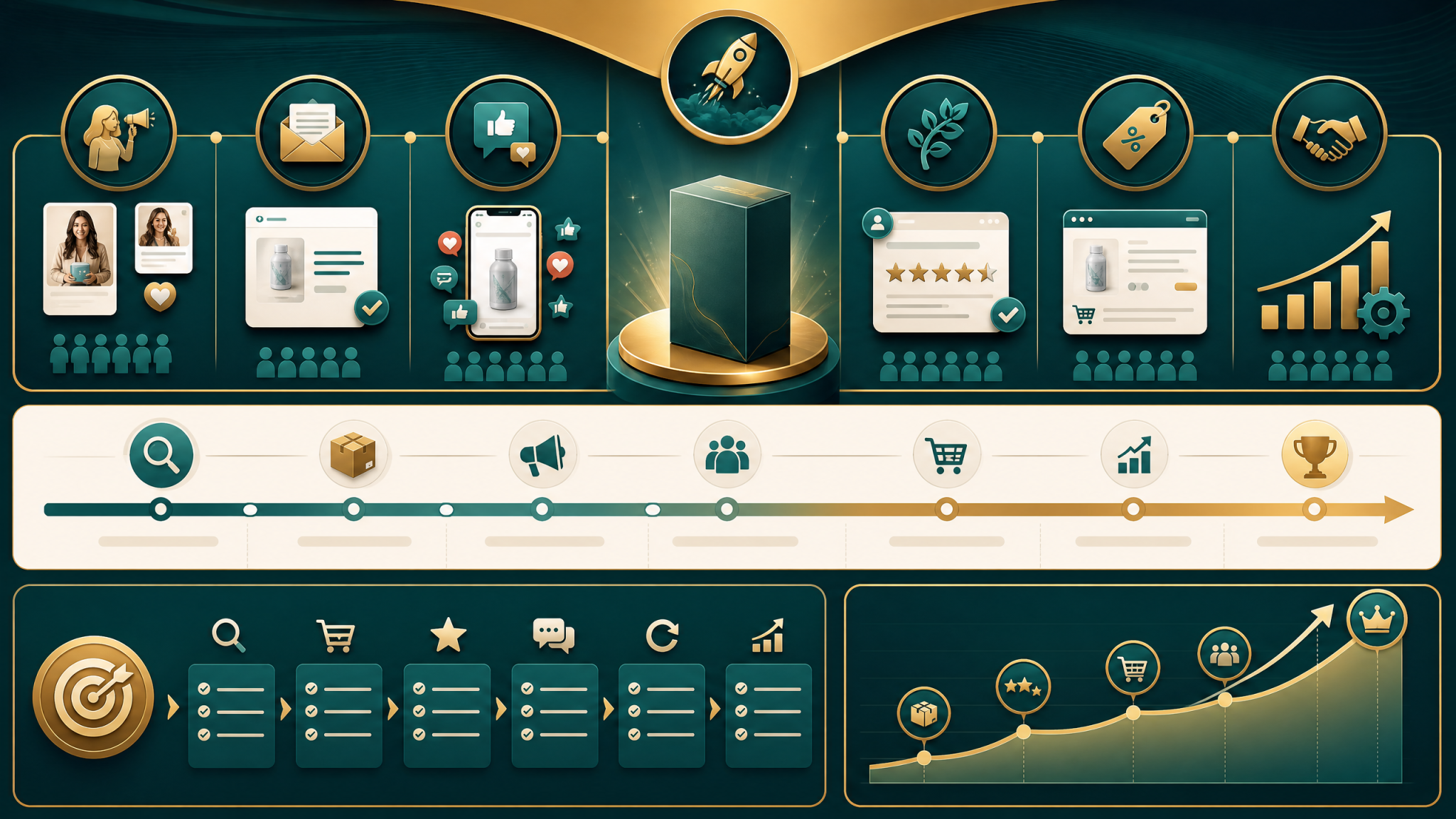
A successful **private label product launch Amazon 2026 beyond PPC** is built upon several interconnected pillars. These strategies are designed to generate genuine interest, drive qualified traffic, and foster organic growth.
1. External Traffic Generation: The New Frontier for Amazon Launch Methods
Driving external traffic to your Amazon listing is arguably the most critical component of a modern launch. Amazon rewards products that bring new customers to the platform, and external traffic signals strong demand and relevance. This is how you **launch private label Amazon without PPC** as your sole focus.
Leveraging Social Media Platforms
Social media is a powerhouse for reaching targeted audiences. Platforms like Facebook, Instagram, TikTok, and Pinterest offer diverse avenues for engagement:
- Facebook/Instagram Ads: While not PPC on Amazon, these platforms allow for highly targeted advertising to specific demographics and interests, driving traffic directly to your Amazon listing or a landing page.
- Organic Content: Building a strong social media presence through engaging content, product showcases, and behind-the-scenes glimpses can cultivate a loyal following.
- Community Building: Facebook Groups or Instagram communities centered around your niche can be invaluable for generating early interest and gathering feedback.
Influencer Marketing & Affiliate Programs
Collaborating with influencers is a highly effective way to tap into established audiences. Micro-influencers (those with smaller but highly engaged followings) often yield better ROI. Consider:
- Product Reviews & Mentions: Influencers can create authentic content featuring your product.
- Affiliate Partnerships: Offer influencers a commission for sales generated through their unique links, incentivizing them to promote your product consistently.
Content Marketing: Blogs, YouTube, Pinterest
Creating valuable content that addresses your target audience’s pain points or interests can drive significant organic traffic: For more details, see our guide on international expansion guide for Amazon sellers.
- Blog Posts: Write articles that naturally incorporate your product as a solution, optimizing for relevant keywords.
- YouTube Reviews/Tutorials: Video content is highly engaging and can showcase your product’s features and benefits in detail.
- Pinterest Boards: For visually driven products, Pinterest can be a powerful discovery platform.
Email Marketing & Launch Lists
Building an email list before, during, and after your launch is crucial. This allows for direct communication with interested customers: For more details, see our guide on scale Amazon FBA 6 to 7 figures financing diversification. According to Eurostat logistics data, these strategies are increasingly important.
- Pre-Launch List: Collect emails from potential customers interested in your product, offering early bird discounts or exclusive access.
- Launch Sequence: Nurture your list with a series of emails leading up to and during the launch, driving traffic to your Amazon listing.
2. Strategic Pre-Launch & Launch Sequences
A well-orchestrated launch sequence can create momentum and signal strong demand to Amazon’s algorithm.
Building Anticipation & Hype
Weeks before your product goes live, start generating buzz:
- Teaser Campaigns: Use social media and email to hint at your upcoming product.
- Giveaways & Contests: Run contests to build excitement and collect leads.
- Early Bird Access: Offer a limited number of units to your email list or loyal followers at a discounted price.
The Initial Sales Burst
The first few days of a launch are critical for signaling to Amazon that your product is relevant. Focus on driving a concentrated burst of sales through your external traffic channels. This initial velocity is key for organic ranking.
3. Optimized Product Listing & Brand Storytelling
Even with robust external traffic, a poorly optimized listing will fail to convert. Your listing is your storefront on Amazon.
Keyword Research & Optimization
Thorough keyword research is foundational. Use tools to identify high-volume, relevant keywords for your title, bullet points, description, and backend search terms.
Compelling Copywriting
Your product title, bullet points, and description must be persuasive, highlighting benefits over features. Use strong calls to action and address potential customer objections. For more details, see our guide on Amazon account suspension recovery plan of action. According to Amazon Seller Central guidelines, these strategies are increasingly important.
High-Quality Imagery & Video
Professional photos and videos are non-negotiable. Showcase your product from multiple angles, in use, and highlight its unique selling propositions. A+ Content (Enhanced Brand Content) is essential for brand-registered sellers. For more details, see our guide on Amazon FBA automation software stack 1 million revenue.
Crafting a Unique Brand Story
In a crowded marketplace, your brand story can differentiate you. Communicate your brand’s mission, values, and the unique problem your product solves. This builds an emotional connection with customers.
4. Reputation Management & Review Generation
Reviews are the lifeblood of Amazon sales. A strategy for generating authentic, positive reviews is paramount.
Exceptional Customer Service
Proactive and responsive customer service can turn a potentially negative experience into a positive review. Go above and beyond for your customers.
Ethical Review Generation
Encourage satisfied customers to leave reviews through follow-up emails (within Amazon’s TOS) or by including a small card in your packaging directing them to your brand’s website where they can learn how to leave a review. Never incentivize reviews directly on Amazon.
Monitoring & Responding to Feedback
Actively monitor reviews and respond promptly to both positive and negative feedback. Addressing concerns publicly demonstrates your commitment to customer satisfaction. For more details, see our guide on highest CAGR niches on Amazon Europe. For more details, see our guide on winning the Buy Box with AI dynamic repricing.
5. Post-Launch Momentum & Scaling
A launch is not a one-time event; it’s the beginning of a sustained effort. For more details, see our guide on Amazon product rebranding registered trademark ASIN.
Maintaining Sales Velocity
Continue to drive external traffic and optimize your PPC campaigns (now as a supplementary tool, not the primary one) to maintain sales velocity and organic rank.
Product Iteration & Expansion
Gather customer feedback to improve your product and identify opportunities for new product development. Expanding your product line can create a synergistic effect.
Building a Brand Ecosystem
Think beyond Amazon. Build your own e-commerce website, engage with your community, and explore other sales channels to create a resilient and diversified business.
Conclusion: The Future of Private Label Success on Amazon
The era of easy Amazon product launches fueled solely by PPC is firmly in the past. For **private label product launch Amazon 2026 beyond PPC**, success hinges on a strategic blend of external traffic generation, meticulous pre-launch planning, compelling listing optimization, and proactive reputation management. By embracing these **Amazon launch methods external traffic** and focusing on building a genuine brand presence, e-commerce entrepreneurs can not only survive but thrive in the competitive Amazon landscape of 2026. The journey requires dedication and adaptability, but the rewards of a well-executed, diversified launch strategy are substantial and sustainable.