Cold Chain Ecommerce: Fulfillment Solutions for Frozen and Temperature-Sensitive Products in Spain
Introduction
The burgeoning landscape of e-commerce has opened unprecedented opportunities for businesses to reach wider audiences. However, for companies dealing with perishable goods, particularly frozen and temperature-sensitive products, the journey from warehouse to customer is fraught with unique challenges. Maintaining product integrity, ensuring food safety, and complying with stringent regulations are paramount. This is where cold chain fulfillment frozen products Spain and across Europe becomes a critical differentiator. This article delves into the intricacies of cold chain e-commerce, offering comprehensive insights into fulfillment solutions for businesses operating in Spain and the broader European market in 2026.
The Imperative of Cold Chain Fulfillment in E-commerce
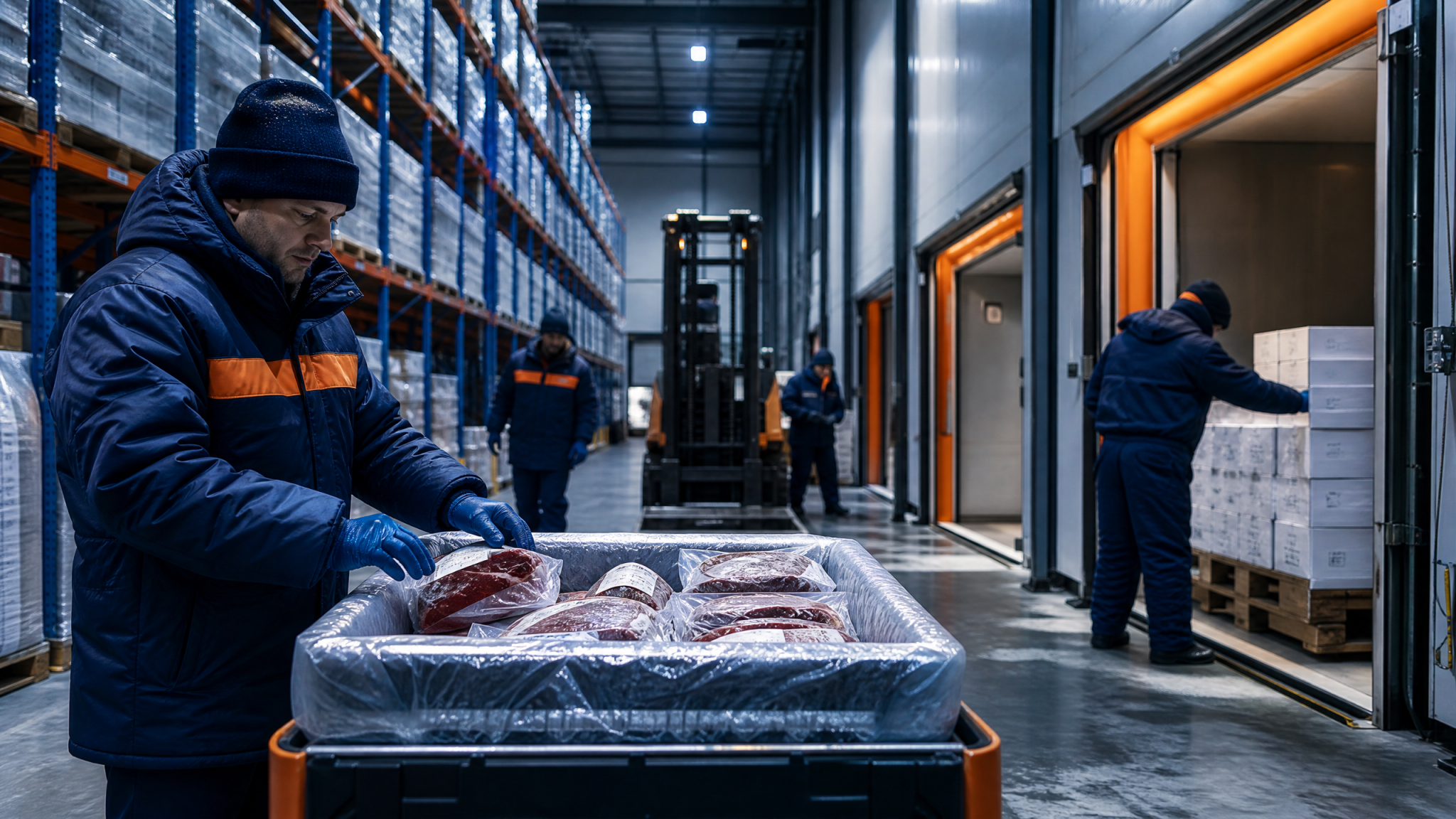
The demand for online grocery and specialized food products has surged, accelerating the need for robust temperature controlled logistics ecommerce solutions. Consumers expect the same quality and freshness from online purchases as they would from a physical store. Any deviation in temperature during transit can lead to product spoilage, health risks, reputational damage, and significant financial losses. For businesses targeting the Spanish market, understanding the nuances of frozen product fulfillment Spain is not just an operational necessity but a strategic advantage. Effective frozen product fulfillment Spain ensures product quality and customer satisfaction. For more details, see our guide on advanced fulfillment strategies ecommerce Europe. For more details, see our guide on reduce Amazon FBA costs hidden fees. For more details, see our guide on most profitable niches on Amazon Europe in 2026.
Key Challenges in Cold Chain E-commerce
- Temperature Maintenance: Ensuring a consistent temperature range from storage to last-mile delivery is the most significant challenge. This requires specialized equipment, monitoring systems, and trained personnel.
- Packaging: Standard packaging is insufficient. Insulated containers, gel packs, dry ice, and other advanced materials are essential to protect products from thermal fluctuations.
- Last-Mile Delivery: The final leg of the delivery journey is often the most complex and expensive, especially in urban areas with varying infrastructure and delivery windows.
- Regulatory Compliance: Adhering to national and international food safety and transportation regulations (e.g., HACCP, GDP) is non-negotiable.
- Scalability: As e-commerce businesses grow, their cold chain infrastructure must scale efficiently without compromising quality or increasing costs disproportionately.
Understanding Cold Chain Logistics: A Deep Dive
Cold chain logistics encompasses all the processes and technologies involved in managing the temperature of products throughout the supply chain. For frozen and temperature-sensitive goods, this means maintaining specific temperature ranges, typically below 0°C for frozen items and between 2°C and 8°C for chilled products. The effectiveness of a cold chain is measured by its ability to prevent temperature excursions and ensure product quality upon arrival. For more details, see our guide on kitting assembly Amazon FBA profit margins.
Components of an Effective Cold Chain
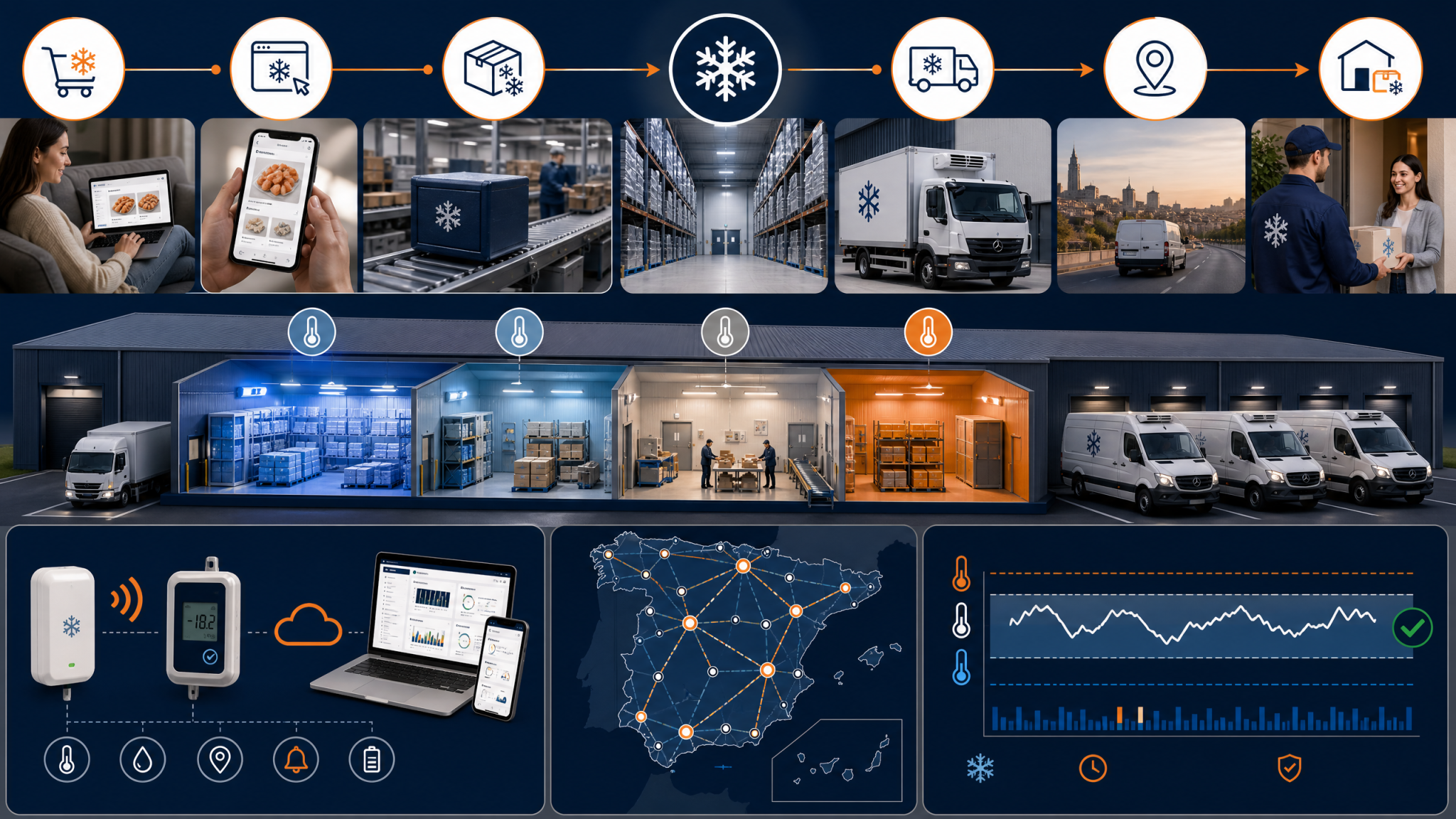
- Temperature-Controlled Storage: Warehouses equipped with advanced refrigeration and freezing systems, often segmented into different temperature zones.
- Refrigerated Transportation: Fleets of vehicles, from large trucks to smaller vans, fitted with refrigeration units capable of maintaining precise temperatures.
- Monitoring and Tracking: Real-time temperature monitoring devices (data loggers, IoT sensors) and GPS tracking systems to ensure visibility and traceability.
- Specialized Packaging: Insulated boxes, thermal blankets, phase change materials (PCMs), and smart packaging solutions that react to external conditions.
- Cross-Docking and Distribution Centers: Strategically located facilities that minimize storage time and optimize transit routes.
Fulfillment Solutions for Frozen and Temperature-Sensitive Products in Spain
Spain, with its diverse climate and extensive geographical spread, presents unique challenges and opportunities for cold chain e-commerce. Businesses looking to thrive in this market must carefully select their fulfillment strategy. This often involves partnering with specialized cold chain 3PL Spain Europe providers. According to Eurostat logistics data, these strategies are increasingly important.
In-House vs. 3PL Cold Chain Fulfillment
In-House Fulfillment: For more details, see our guide on WMS warehouse management system ecommerce guide.
- Pros: Complete control over the entire process, direct oversight of quality, potential cost savings for very high volumes.
- Cons: High initial investment in infrastructure (warehouses, vehicles, technology), significant operational complexity, need for specialized expertise, slower scalability.
Third-Party Logistics (3PL) Fulfillment:
- Pros: Access to established infrastructure and expertise, reduced capital expenditure, faster market entry, scalability, focus on core business, compliance assurance.
- Cons: Less direct control, potential for communication challenges, reliance on partner’s performance.
For most e-commerce businesses, especially those expanding into new markets like Spain, partnering with a 3PL specializing in cold chain fulfillment frozen products Spain is often the most viable and efficient option. This partnership is key to successful frozen product fulfillment Spain.
Key Considerations When Choosing a Cold Chain 3PL in Spain
Selecting the right 3PL partner is crucial. Here are critical factors to evaluate: For more details, see our guide on when to switch from Amazon FBA to 3PL. According to Gartner supply chain insights, these strategies are increasingly important.
- Experience and Expertise: Look for providers with a proven track record in handling frozen and temperature-sensitive products, specifically within the Spanish and European regulatory frameworks.
- Infrastructure and Technology: Assess their warehousing capabilities (temperature zones, capacity), fleet (refrigerated vehicles, monitoring systems), and technology stack (WMS, TMS, real-time tracking).
- Geographical Coverage: Ensure they can effectively serve your target customer base across Spain and, if applicable, other European countries.
- Compliance and Certifications: Verify their adherence to relevant food safety standards (e.g., HACCP, ISO 22000) and transportation regulations.
- Scalability and Flexibility: The 3PL should be able to adapt to fluctuating demand and support your growth trajectory.
- Cost Structure: Understand their pricing model, including storage, pick-and-pack, shipping, and any additional services.
- Customer Service and Communication: A responsive and transparent partner is essential for resolving issues quickly and maintaining operational efficiency.
Advanced Technologies in Cold Chain E-commerce
The cold chain industry is continually evolving, driven by technological advancements aimed at improving efficiency, traceability, and sustainability. Embracing these innovations is key for businesses seeking a competitive edge in temperature controlled logistics ecommerce. For more details, see our guide on unit economics and real margins on Amazon FBA.
IoT and Sensor Technology
Internet of Things (IoT) devices and advanced sensors provide real-time data on temperature, humidity, and location. This allows for proactive intervention in case of temperature excursions, minimizing spoilage and ensuring product safety. Data analytics derived from these sensors can also optimize routes, predict maintenance needs, and improve overall supply chain performance.
Blockchain for Enhanced Traceability
Blockchain technology offers an immutable and transparent ledger for tracking products throughout the cold chain. This enhances traceability, verifies authenticity, and simplifies compliance audits. For consumers, it provides greater assurance about the origin and handling of their perishable goods.
AI and Machine Learning for Optimization
Artificial intelligence (AI) and machine learning (ML) algorithms are being deployed to optimize various aspects of the cold chain, including demand forecasting, inventory management, route optimization, and predictive maintenance of refrigeration equipment. This leads to reduced waste, lower operational costs, and improved delivery times. For more details, see our guide on Amazon MCF vs 3PL Shopify 2026. For more details, see our guide on Amazon Global Selling from a single warehouse in Spain.
Regulatory Landscape for Cold Chain in Spain and Europe
Navigating the regulatory environment is critical for any business involved in cold chain fulfillment frozen products Spain and the EU. Compliance ensures product safety, avoids penalties, and builds consumer trust.
Key Regulations and Standards
- EU Food Safety Regulations: A comprehensive framework covering hygiene, traceability, and labeling of food products. Regulation (EC) No 178/2002 establishes the general principles and requirements of food law.
- HACCP (Hazard Analysis and Critical Control Points): A systematic preventive approach to food safety from biological, chemical, and physical hazards in production processes.
- GDP (Good Distribution Practices): While primarily for pharmaceuticals, GDP principles are increasingly applied to food logistics, emphasizing quality management throughout the supply chain.
- National Regulations (Spain): Specific Spanish regulations complement EU laws, often detailing local enforcement and additional requirements for certain product categories.
Importance of Compliance
Non-compliance can result in severe consequences, including product recalls, fines, legal action, and irreparable damage to brand reputation. Partnering with a cold chain 3PL Spain Europe provider that has a deep understanding of these regulations is invaluable.
Packaging Innovations for Temperature-Sensitive Shipments
Effective packaging is the first line of defense for frozen and temperature-sensitive products. Innovations in this area are crucial for extending shelf life, reducing waste, and ensuring product quality during transit.
Types of Insulated Packaging
- Expanded Polystyrene (EPS) Coolers: Lightweight and effective, commonly used for various temperature-sensitive shipments.
- Vacuum Insulated Panels (VIPs): Offer superior insulation with thinner walls, maximizing internal space and reducing shipping volume.
- Thermal Blankets and Liners: Provide an additional layer of insulation for pallets or individual boxes.
- Phase Change Materials (PCMs): Unlike traditional ice or gel packs, PCMs maintain specific temperatures for extended periods by absorbing and releasing latent heat.
Sustainable Packaging Solutions
With growing environmental concerns, the demand for sustainable cold chain packaging is rising. Innovations include recyclable, biodegradable, and reusable insulated containers, reducing the ecological footprint of e-commerce operations. For more details, see our guide on TikTok Shop fulfillment Spain requirements.
The Future of Cold Chain E-commerce in Spain and Europe
The cold chain e-commerce market is poised for significant growth, driven by evolving consumer habits, technological advancements, and increasing globalization. Businesses that proactively adapt to these changes will be best positioned for success.
Emerging Trends
- Increased Automation: Robotics and automated storage and retrieval systems (AS/RS) in cold warehouses will enhance efficiency and reduce labor costs.
- Drone and Autonomous Vehicle Delivery: While still in early stages, these technologies hold promise for faster and more efficient last-mile delivery of temperature-sensitive goods, especially in remote areas.
- Hyper-Personalization: Advanced data analytics will enable more personalized delivery options, including precise delivery windows and customized packaging solutions.
- Focus on Sustainability: The industry will continue to prioritize eco-friendly practices, from energy-efficient refrigeration to sustainable packaging and optimized logistics routes.
Conclusion
Cold chain fulfillment frozen products Spain and across Europe is a complex yet vital component of modern e-commerce. For entrepreneurs venturing into the online sale of temperature-sensitive goods, a deep understanding of logistics, technology, and regulatory compliance is essential. By strategically partnering with experienced cold chain 3PL Spain Europe providers and embracing innovative solutions in temperature controlled logistics ecommerce, businesses can not only overcome the inherent challenges but also build a resilient, efficient, and customer-centric supply chain that ensures product integrity and fosters long-term success in the dynamic European market.