Amazon Pricing Strategies and Margin Optimization: The Professional Seller’s Complete Guide for 2026
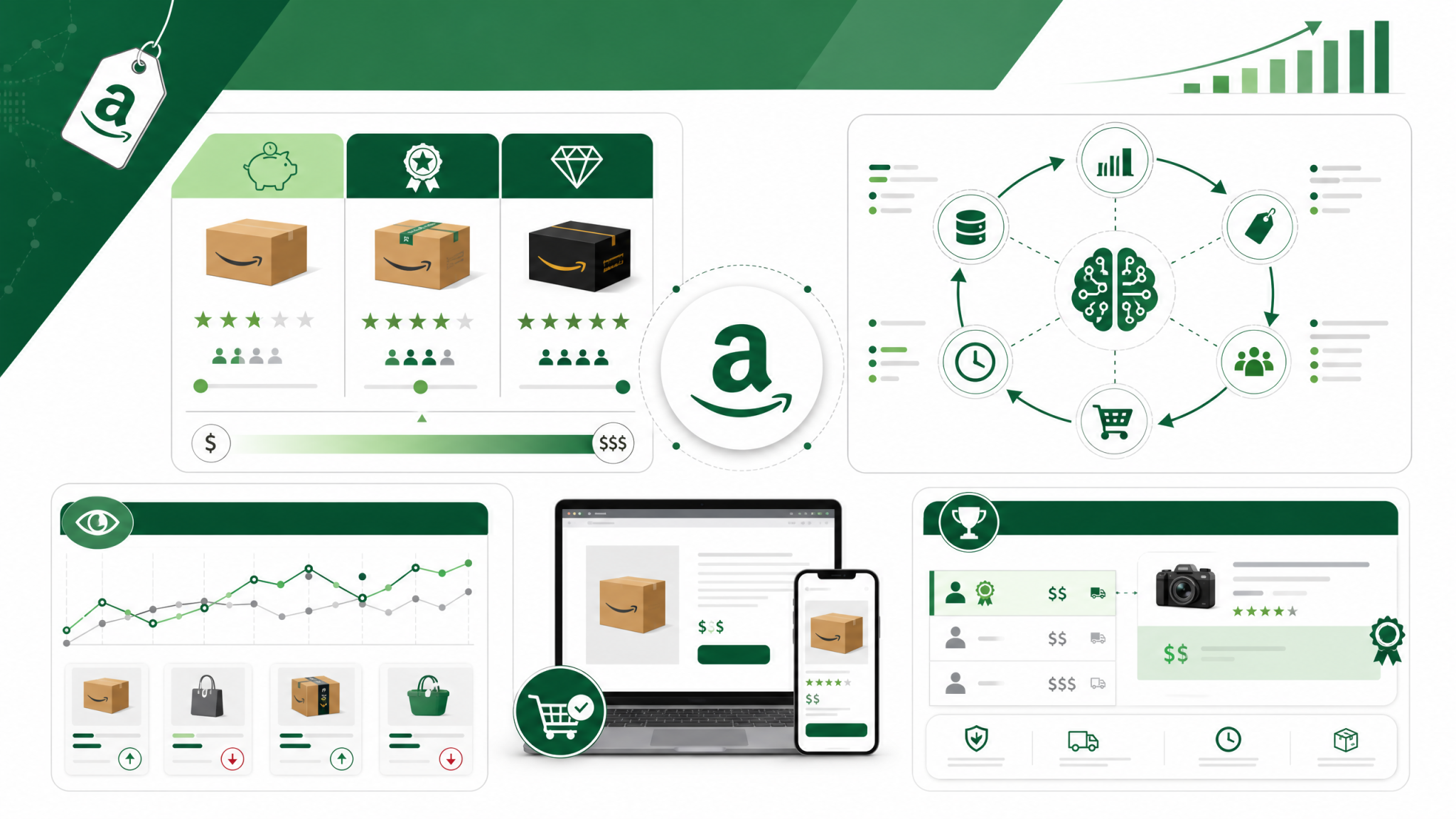
In the dynamic and ever-evolving landscape of Amazon, mastering your pricing strategies and optimizing profit margins is not just an advantage—it’s a necessity for survival and sustained growth. As we navigate 2026, the complexities of e-commerce, global supply chains, and consumer behavior demand a sophisticated approach from professional sellers. This comprehensive guide is meticulously crafted to equip you with the knowledge and actionable insights required to dominate the Amazon marketplace. We will delve into the intricacies of unit economics, harness the power of dynamic repricing, explore the strategic benefits of bundling, and navigate the critical realm of tariff strategies. Our goal is clear: to protect and maximize your net profit amidst increasing competition and fluctuating market conditions. Understanding and implementing effective Amazon pricing strategies margin optimization 2026 is paramount for any seller aiming for long-term success. According to Eurostat logistics data, these strategies are increasingly important.
Understanding Your Unit Economics: The Foundation of Profitability
Before any pricing strategy can be effectively implemented, a crystal-clear understanding of your unit economics is non-negotiable. Many sellers mistakenly focus solely on the Cost of Goods Sold (COGS), overlooking a myriad of other expenses that significantly impact the true profitability of each unit sold. In 2026, these costs are more varied and impactful than ever. According to McKinsey operations research, these strategies are increasingly important.
Beyond COGS: A Holistic View of Expenses
- Amazon FBA Fees: These include fulfillment fees (picking, packing, shipping), monthly storage fees (which can vary seasonally and by product size/weight), and long-term storage fees. These are often the largest variable costs after COGS.
- Shipping Costs: This encompasses inbound shipping to Amazon’s fulfillment centers, as well as any direct-to-consumer shipping for FBM (Fulfilled by Merchant) orders.
- Advertising Spend: Amazon PPC (Pay-Per-Click) campaigns are crucial for visibility, but their cost must be factored into each unit’s profitability. This includes Sponsored Products, Sponsored Brands, and Sponsored Display ads.
- Returns and Refunds: The cost of processing returns, restocking fees, and the potential loss of product value due to damage or unsellable conditions.
- Promotional Costs: Discounts, coupons, and other promotional activities directly reduce your revenue per unit.
- Software and Tools: Subscriptions for repricers, inventory management systems, keyword research tools, and accounting software.
- Customer Service: While often a fixed cost, for some businesses, it can scale with sales volume.
- Taxes and Tariffs: Import duties, sales taxes, and other levies that impact your landed cost.
To achieve true profit margin optimization Amazon, you must calculate your net profit per unit. This involves subtracting all these variable and fixed costs from your selling price. Only then can you accurately assess the health of your product line and make informed pricing decisions. A robust understanding of these figures forms the bedrock of any successful Amazon FBA pricing guide.
Dynamic Repricing Strategies for Competitive Advantage
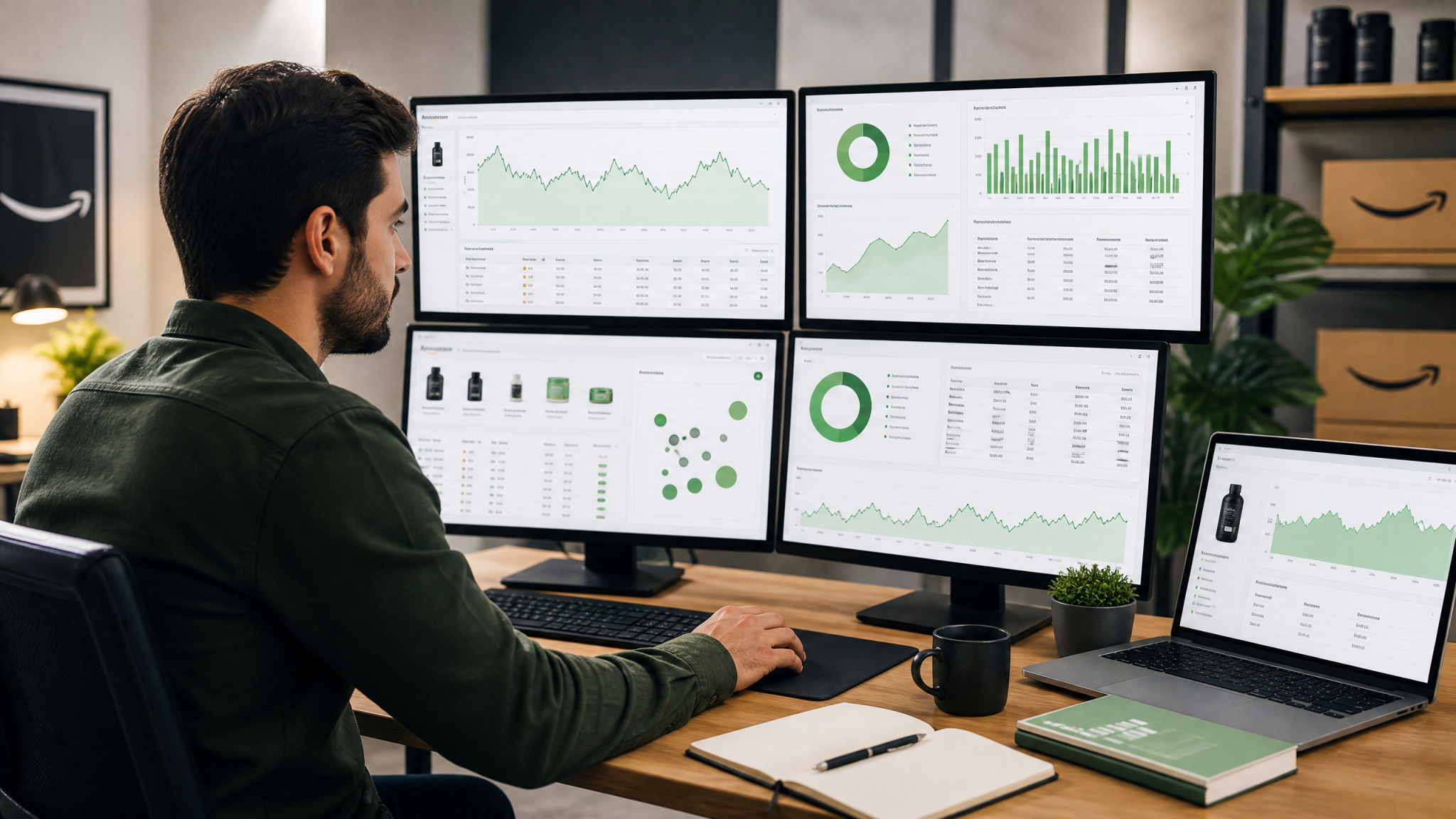
The Amazon marketplace is a battleground where prices can shift by the minute. Relying on static pricing in such an environment is akin to bringing a knife to a gunfight. Dynamic repricing is the art and science of adjusting your product prices in real-time in response to market conditions, competitor actions, and your own strategic goals.
Manual vs. Automated Repricers
- Manual Repricing: Suitable for sellers with a very small catalog or unique, non-competitive products. It’s time-consuming and often reactive rather than proactive.
- Automated Repricers: Essential for professional sellers. These software solutions continuously monitor the market and adjust your prices within predefined minimum and maximum thresholds.
Rule-Based vs. AI-Driven Repricing
- Rule-Based Repricers: Follow a set of predefined rules (e.g.,