Introduction: The Global Leap for Amazon Sellers
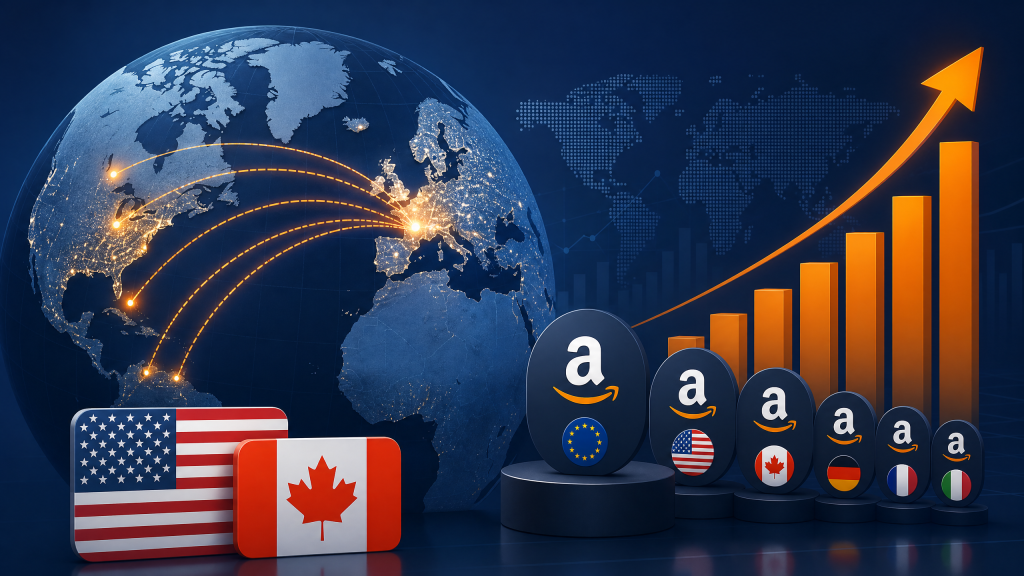
In the dynamic world of e-commerce, the ambition to scale knows no bounds. For Amazon sellers, the domestic market, while lucrative, often represents just the tip of the iceberg. The true potential for exponential growth lies in international expansion. This definitive Amazon international expansion guide sellers need will illuminate the path to global success, covering the intricacies of venturing into the vast markets of the US, Canada, and the diverse European landscape. From navigating complex legal frameworks to streamlining logistics and understanding critical tax requirements, this guide is your compass for a truly global leap.
The year 2026 presents unprecedented opportunities for professional e-commerce entrepreneurs. With evolving digital infrastructures and increasing consumer confidence in cross-border shopping, the time is ripe to broaden your horizons. This article is crafted to be authoritative and actionable, providing you with the insights necessary to make informed decisions and execute a seamless international expansion strategy. For more details, see our guide on launch Amazon USA Canada from Spain legal requirements.
Why Go Global? Unlocking Untapped Potential
Expanding your Amazon business internationally isn’t merely about increasing sales; it’s a strategic move that offers a multitude of benefits. Diversifying your market presence reduces reliance on a single economy, mitigating risks and fostering long-term stability. It allows you to tap into new customer bases, extend the lifecycle of your products, and gain a competitive edge by being present where your rivals are not. This comprehensive Amazon global selling guide aims to equip you with the knowledge to seize these opportunities.
- Increased Revenue Streams: Access millions of new customers beyond your home country.
- Market Diversification: Reduce vulnerability to economic downturns in any single region.
- Brand Recognition: Establish your brand as a global player, enhancing credibility and trust.
- Product Lifecycle Extension: Introduce mature products to new markets where they can find renewed demand.
- Competitive Advantage: Outpace competitors by securing a foothold in emerging or less saturated markets.
The decision to expand Amazon business internationally requires careful planning and a thorough understanding of each target market’s unique characteristics. This guide will delve into the specifics, ensuring you are well-prepared for the challenges and rewards that lie ahead.
Navigating the North American Giants: US and Canada

The United States (Amazon.com): The E-commerce Behemoth
The United States remains the largest e-commerce market globally, making Amazon.com an irresistible target for international sellers. However, its sheer size also means intense competition and a complex regulatory environment.
Legal Considerations in the US
- Product Compliance: Ensure your products meet federal regulations (e.g., FCC for electronics, FDA for food/drugs/cosmetics, CPSC for consumer products). State-specific regulations may also apply.
- Labeling Requirements: Adhere to US labeling standards, including country of origin, warnings, and ingredient lists.
- Intellectual Property: Protect your trademarks and patents in the US to prevent infringement.
Logistics and Fulfillment
When considering Amazon FBA international markets, the US offers robust FBA infrastructure. Understanding customs and duties is paramount.
- FBA vs. FBM: Amazon’s Fulfillment by Amazon (FBA) is often preferred for its efficiency, but Fulfillment by Merchant (FBM) offers more control.
- Customs and Duties: As the Importer of Record (IOR), you are responsible for customs clearance and paying import duties. Utilize customs brokers to streamline this process.
- Shipping: Choose reliable international carriers and understand shipping costs and transit times.
Tax Implications in the US
- Sales Tax: This is a complex area. Sales tax is generally collected by Amazon for most states, but sellers may still have nexus obligations. Consult with a tax professional.
- Income Tax: Non-US sellers may be subject to US income tax on their earnings. Proper tax treaty forms (e.g., W-8BEN) are crucial to avoid double taxation.
Canada (Amazon.ca): A Neighboring Opportunity
Canada, with its strong economy and proximity to the US, offers a natural extension for many Amazon sellers. However, it has its own set of rules and cultural nuances. For more details, see our guide on US tariffs impact European Amazon sellers 2026.
Legal Considerations in Canada
- Bilingual Labeling: Products sold in Canada often require labels in both English and French.
- Product Safety: Adhere to Health Canada regulations for product safety and consumer protection.
- Consumer Protection Laws: Be aware of provincial consumer protection acts.
Logistics and Fulfillment
- Cross-Border Shipping: Efficiently manage the flow of goods across the US-Canada border.
- Customs and Duties: Similar to the US, you will need to act as the IOR and handle Canadian customs and duties.
- FBA Canada: Leverage Amazon’s FBA network within Canada for faster delivery and customer satisfaction.
Tax Implications in Canada
- GST/HST: Goods and Services Tax (GST) and Harmonized Sales Tax (HST) are federal and provincial consumption taxes that apply to most goods and services. Registration is required if sales exceed a certain threshold.
- Provincial Sales Tax (PST): Some provinces also have their own PST, which operates separately from GST/HST.
Conquering the European Landscape: A Multi-Country Approach
Europe represents a massive, affluent market, but its fragmentation into numerous countries, each with its own language, culture, and regulations, presents unique challenges and opportunities for an Amazon international expansion guide sellers must heed. For more details, see our guide on selling Amazon Germany France LUCID EPR compliance. According to Gartner supply chain insights, these strategies are increasingly important.
The European Union: A Single Market, Multiple Jurisdictions
Selling across the Amazon European marketplaces (Germany, France, Italy, Spain, Netherlands, Sweden, Poland, Belgium) allows access to hundreds of millions of consumers. The EU’s single market concept simplifies some aspects, but local compliance remains critical.
Legal Considerations in the EU
- CE Marking: Many products require CE marking to indicate conformity with EU health, safety, and environmental protection standards.
- GDPR: The General Data Protection Regulation (GDPR) governs data privacy and protection for all EU citizens.
- WEEE Directive: For electronics, the Waste Electrical and Electronic Equipment (WEEE) directive mandates responsible disposal and recycling.
- Packaging Laws: Each country may have specific packaging recycling obligations.
Logistics and Fulfillment
Amazon offers solutions to simplify European logistics for sellers looking to expand Amazon business internationally. For more details, see our guide on Amazon global selling Europe single warehouse Spain.
- Pan-European FBA: This program allows you to store inventory in fulfillment centers across Europe, enabling faster delivery and lower per-unit fulfillment costs.
- European Fulfillment Network (EFN): Use EFN to fulfill orders from a single inventory pool in one country to customers across other EU marketplaces.
- Customs within EU: Once goods clear customs into one EU country, they can generally move freely between other EU member states.
Tax Implications in the EU
- VAT Registration: Value Added Tax (VAT) is a consumption tax applied in each EU country. You will likely need to register for VAT in multiple countries, or utilize schemes like the One Stop Shop (OSS).
- One Stop Shop (OSS): The OSS scheme simplifies VAT obligations for cross-border B2C supplies of goods and services within the EU, allowing sellers to declare and pay VAT for all EU sales in one country.
The United Kingdom (Amazon.co.uk): Post-Brexit Realities
Following Brexit, the UK operates under its own distinct set of rules, separate from the EU. This requires a specific strategy for sellers targeting this significant market.
Legal Considerations in the UK
- UKCA Marking: For many products, the UKCA (UK Conformity Assessed) marking has replaced the CE marking for goods placed on the market in Great Britain.
- Product Safety: Adhere to UK product safety regulations.
Logistics and Fulfillment
- Customs and Duties: Goods moving between the EU and the UK are now subject to customs checks and duties.
- UK FBA: Utilize Amazon’s FBA network within the UK.
Tax Implications in the UK
- UK VAT: You will need to register for UK VAT if your sales exceed the threshold or if you are a non-UK seller importing goods into the UK.
Key Strategies for Successful International Expansion
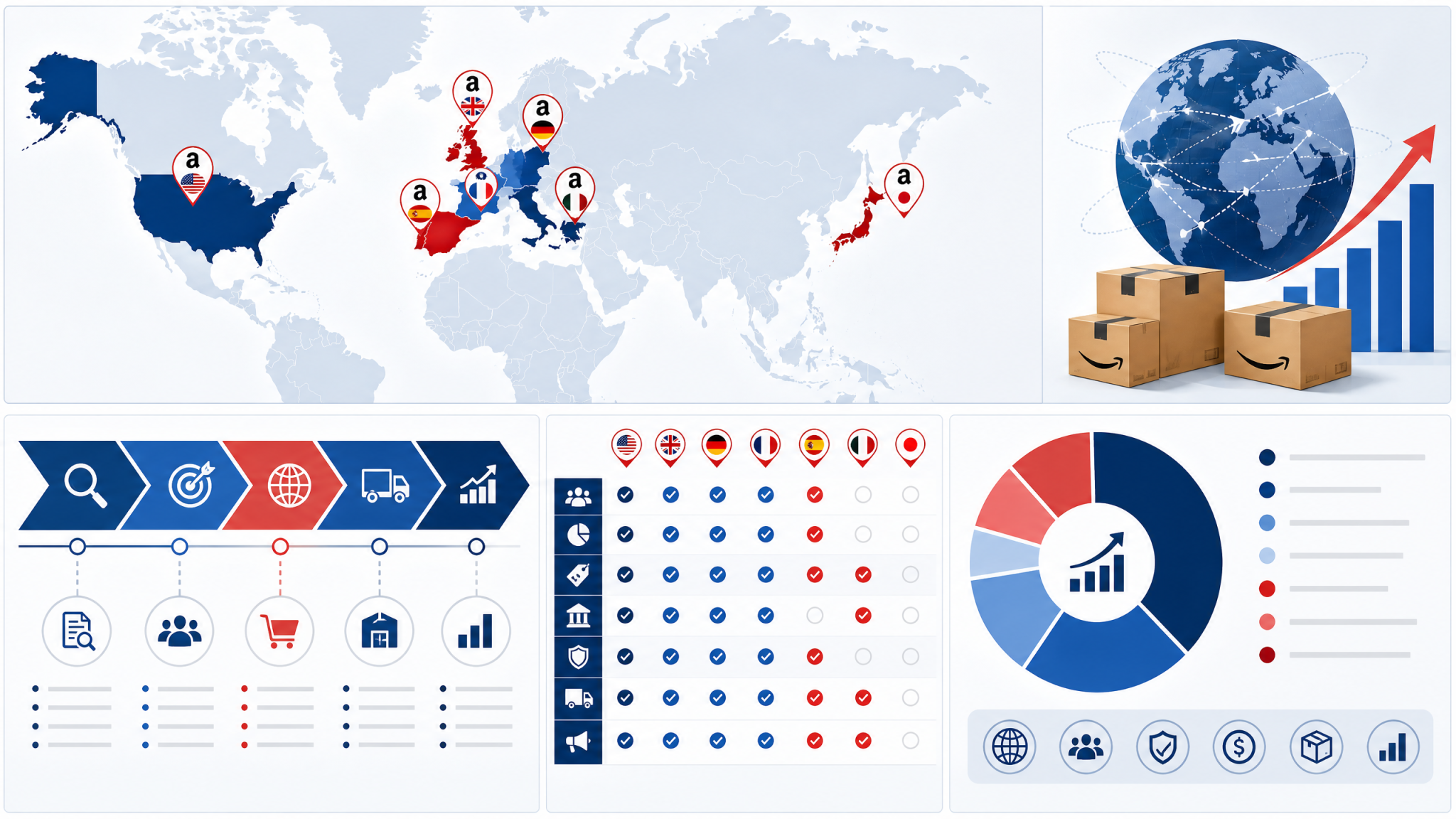
Beyond the legal and logistical hurdles, a successful global leap requires strategic planning and execution. This section of the Amazon FBA international markets guide provides actionable advice. For more details, see our guide on VAT compliance for cross-border Amazon sellers. For more details, see our guide on fulfillment strategies for scaling in European markets. For more details, see our guide on Vendor Central vs Seller Central in 2026.
- Market Research: Thoroughly research each target market to understand consumer preferences, cultural nuances, and local competition.
- Localization: Translate product listings, customer service, and marketing materials into the local language. Consider localizing product features or packaging where appropriate.
- Pricing Strategy: Adjust pricing to account for currency exchange rates, local taxes, duties, and competitive landscapes.
- Customer Service: Provide customer support in the local language and be mindful of time zone differences.
- Payment Methods: Ensure your payment options align with local preferences.
- Start Small, Scale Smart: Consider starting with one or two new markets, learning from the experience, and then gradually expanding to others.
- Professional Guidance: Engage with international tax advisors, customs brokers, and legal experts to ensure full compliance.
Conclusion: Your Global Amazon Empire Awaits
Embarking on international expansion for your Amazon business is a monumental undertaking, but one with immense potential for reward. By meticulously planning for legal compliance, optimizing your logistics, and understanding the tax implications in markets like the US, Canada, and across Europe, you can transform your e-commerce venture into a truly global enterprise.
This Amazon international expansion guide sellers can trust has provided a roadmap to navigate the complexities of global selling. The journey may be challenging, but with an authoritative approach and actionable strategies, your Amazon empire is poised for a global leap. The world is your marketplace – go forth and conquer.