How to Get a Vendor Central Invitation from Amazon: Requirements, Tactics, and Negotiation Tips
Introduction: Unlocking the Elite World of Amazon 1P
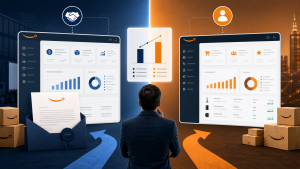
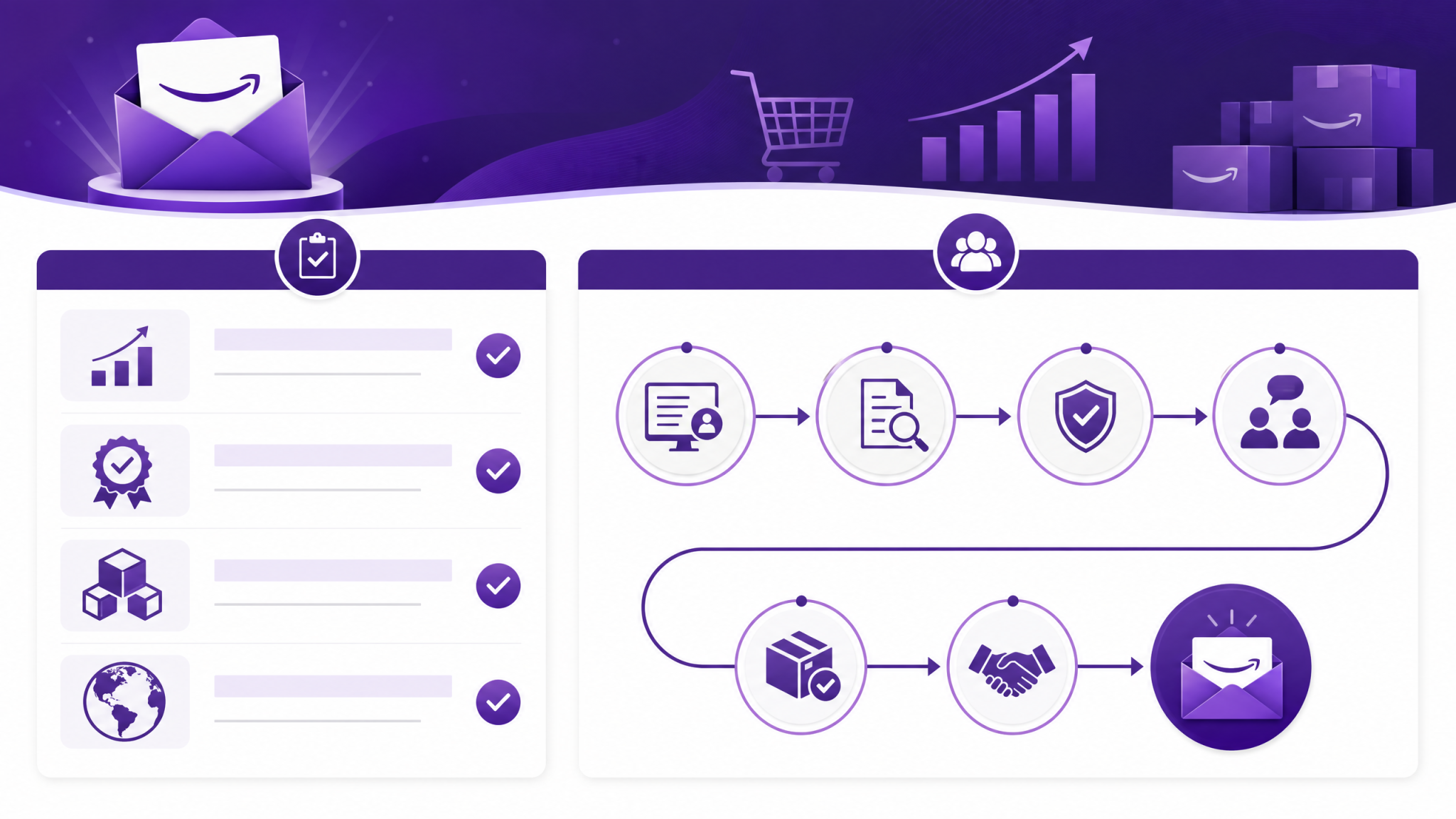
Amazon Vendor Central represents a coveted gateway for brands seeking to deepen their relationship with the e-commerce giant. Unlike Seller Central, where businesses operate as third-party (3P) merchants selling directly to consumers, Vendor Central positions you as a first-party (1P) supplier, selling your products wholesale directly to Amazon. This shift means Amazon itself becomes your customer, purchasing your inventory and then reselling it to its vast customer base. The allure of Vendor Central is undeniable: enhanced credibility, access to Amazon’s robust logistics and marketing infrastructure, and the potential for significantly larger purchase orders. However, gaining entry is not a straightforward application process; it’s an exclusive, invitation-only program. This comprehensive guide will demystify how to get Amazon Vendor Central invitation, outlining the stringent requirements Amazon seeks, the strategic tactics to position your brand for an invite, and crucial negotiation tips to secure favorable terms once you’re in.
Understanding Amazon Vendor Central: The 1P Advantage
To truly appreciate the value of a Vendor Central invitation, it’s essential to understand its fundamental differences from Seller Central. When you become Amazon vendor 1P, you transition from being a direct-to-consumer seller to a wholesale supplier for Amazon. This distinction carries significant implications for operations, marketing, and overall business strategy. According to Eurostat logistics data, these strategies are increasingly important.
Seller Central (3P) vs. Vendor Central (1P) Comparison:
| Feature | Seller Central (3P) | Vendor Central (1P) |
|---|---|---|
| Relationship | You sell directly to consumers. | You sell wholesale to Amazon. |
Pricin
 g Control |
High control over retail pricing. | Limited control; Amazon sets retail prices. |
| Inventory Risk | Your responsibility (unsold inventory is dead capital). | Amazon’s responsibility (you bill per unit sold). |
| Margin Structure | Commission + FBA fees (typically 15%). | Wholesale discount (typically 30-50% off MSRP). |
| Brand Control | High (you manage content, customer service). | Lower (Amazon manages listings, customer service). |
| Customer Data | Direct access to customer interactions. | Limited direct customer interaction. |
| Logistics | Managed by seller (FBA or FBM). | Managed by Amazon (you ship to Amazon warehouses). |
| Advertising | Standard advertising options. | Access to exclusive 1P advertising tools and programs. |
The benefits of operating as a 1P vendor are compelling. Brands often experience simplified operations, as Amazon handles fulfillment, customer service, and returns. The potential for larger, more predictable wholesale orders can streamline inventory planning and manufacturing. Furthermore, products sold through Vendor Central often carry a higher degree of consumer trust, as they are listed as